
New Patient Special
Curious About Dental Implants?
Two Rivers Dental offers a simple way to learn more. Take our 2-minute quiz to find out if dental implants could work for your needs.

Replace Missing Teeth, Restore Your Confidence
Dr. Justin Anderson takes time to explain how implants work, what they can and can’t do, and whether they’re the right option for you.
Single-Tooth Dental Implants
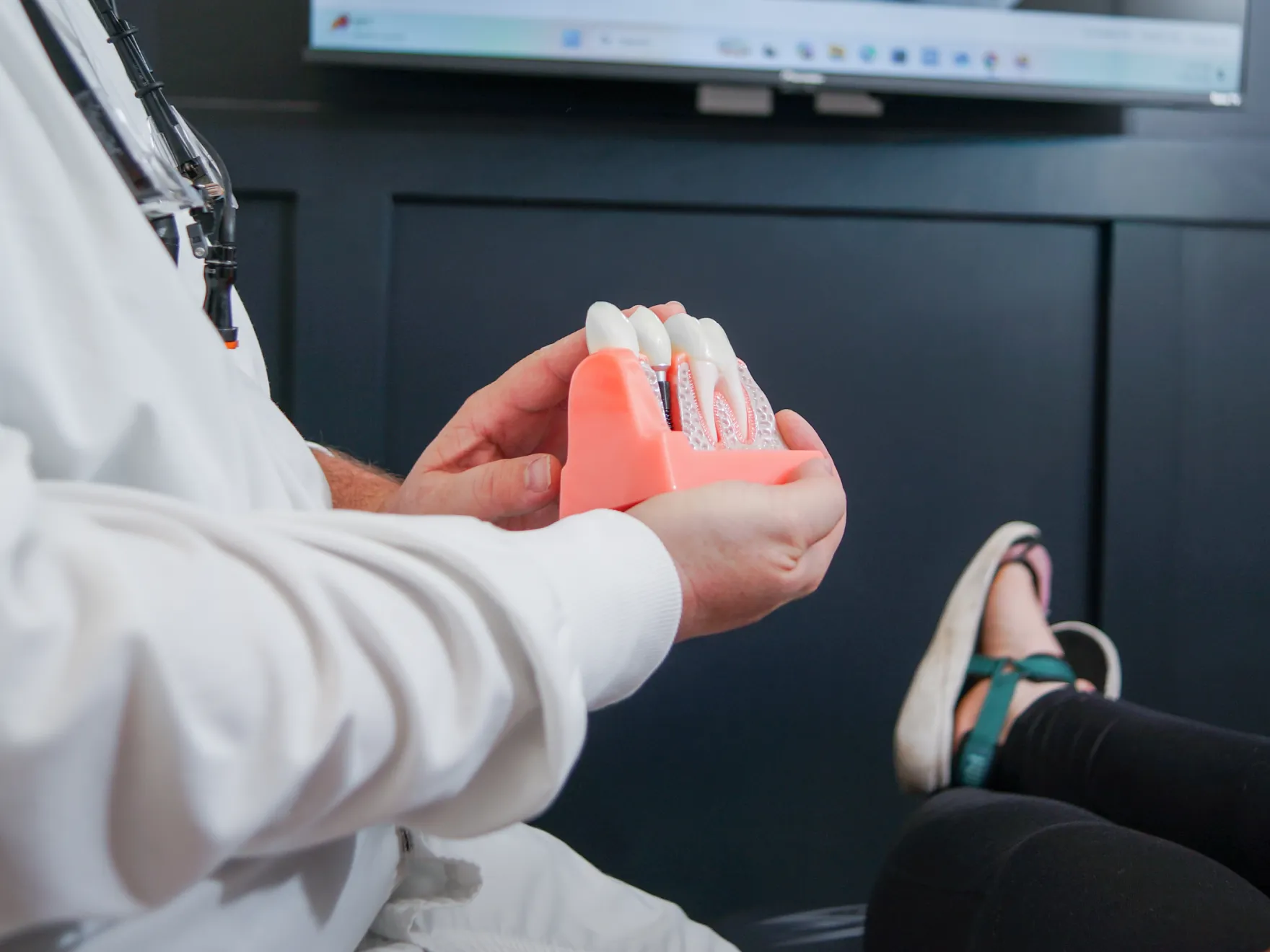
A single dental implant replaces one missing tooth without relying on nearby teeth for support. It restores comfort and function while helping protect the surrounding bone and keeping the rest of your smile intact.
Multiple Dental Implants
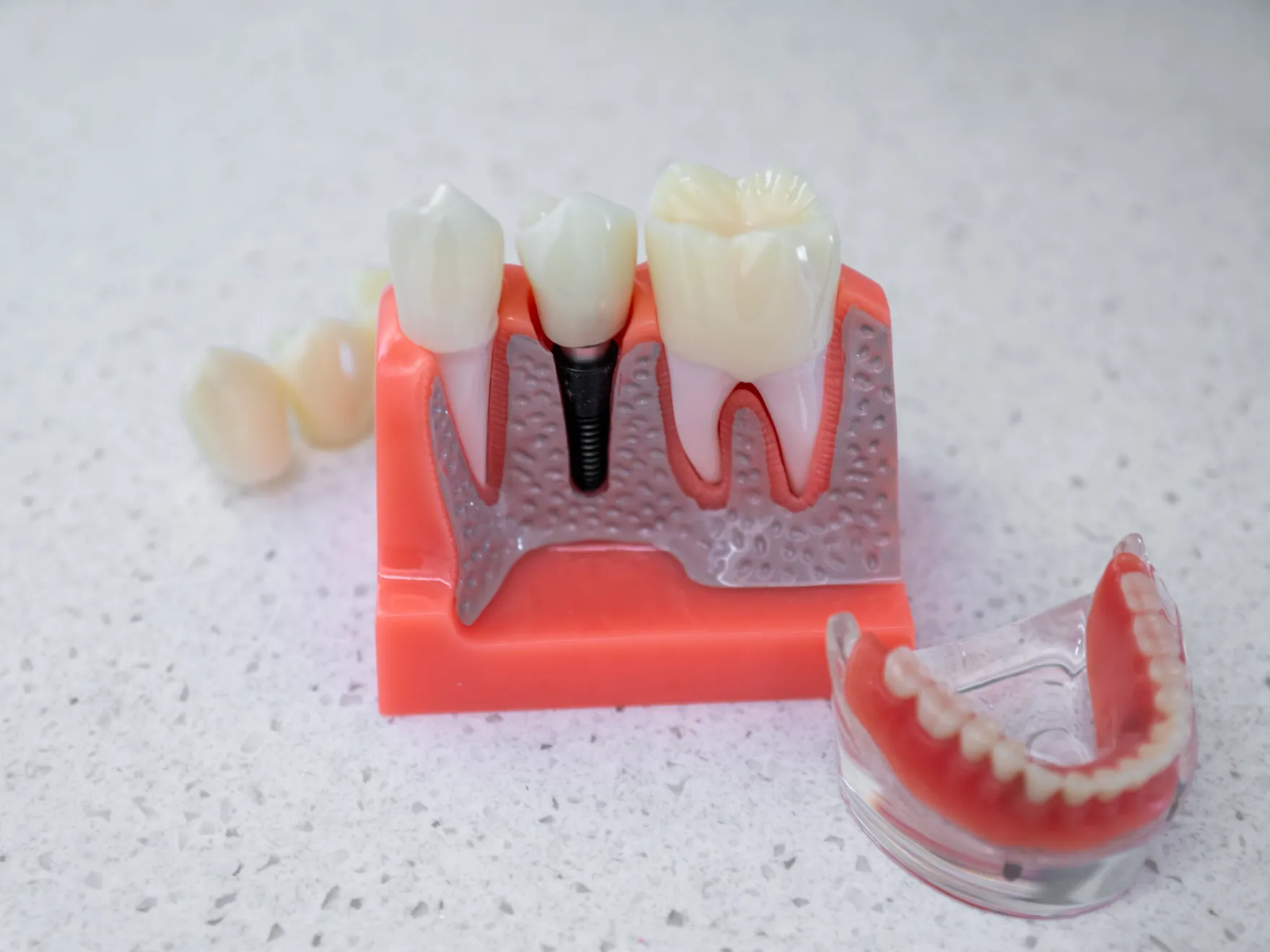
When several teeth are missing, multiple implants can support a fixed bridge that stays securely in place. This option restores your ability to chew and speak comfortably without the movement or bulk of removable appliances.
Implant-Supported Dentures
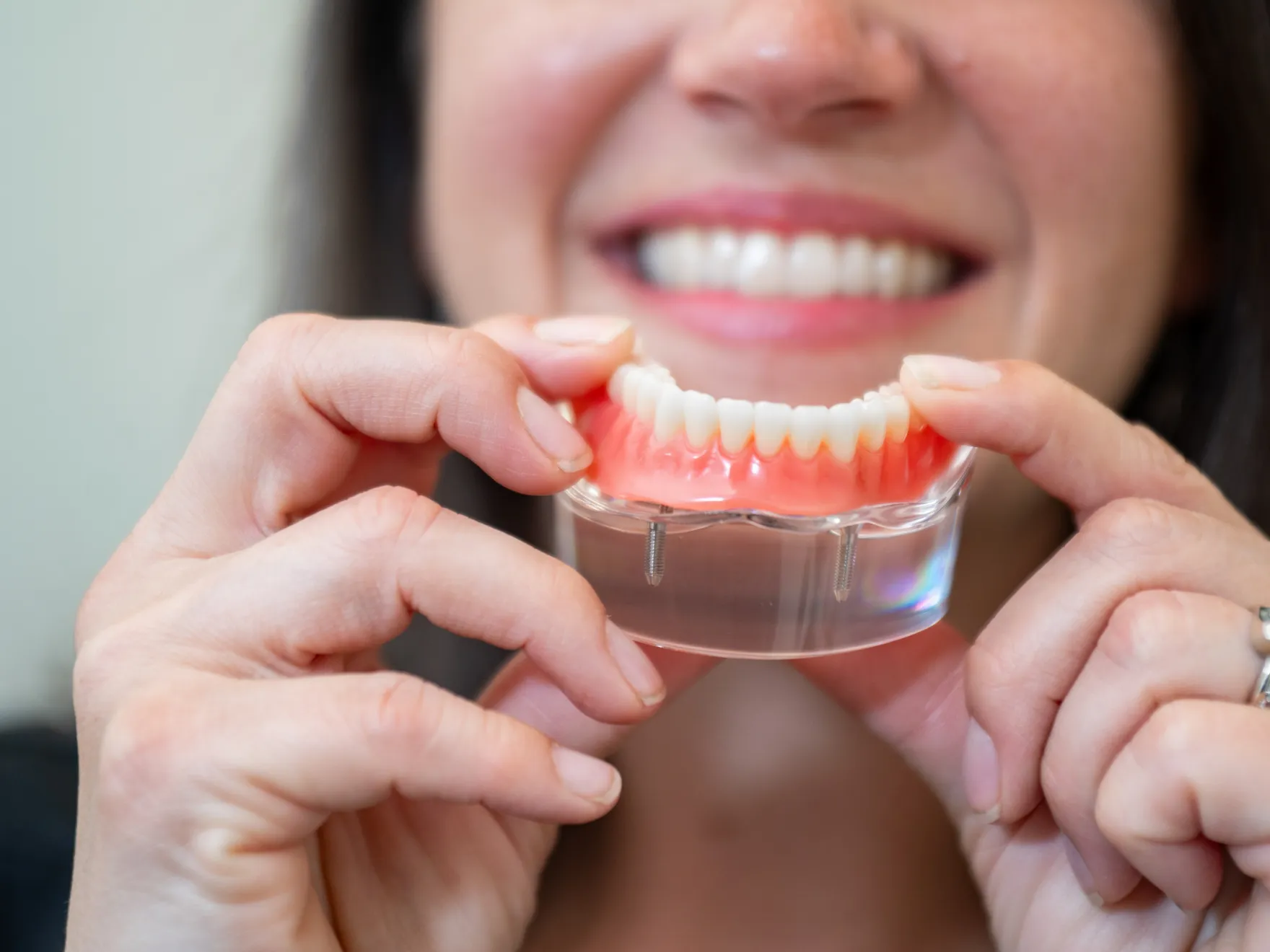
Implant-supported dentures use implants to anchor dentures more securely. This added stability makes dentures easier to wear, improves comfort when eating and speaking, and reduces slipping or shifting.

We Take Your Insurance


What Dental Implants Actually Do
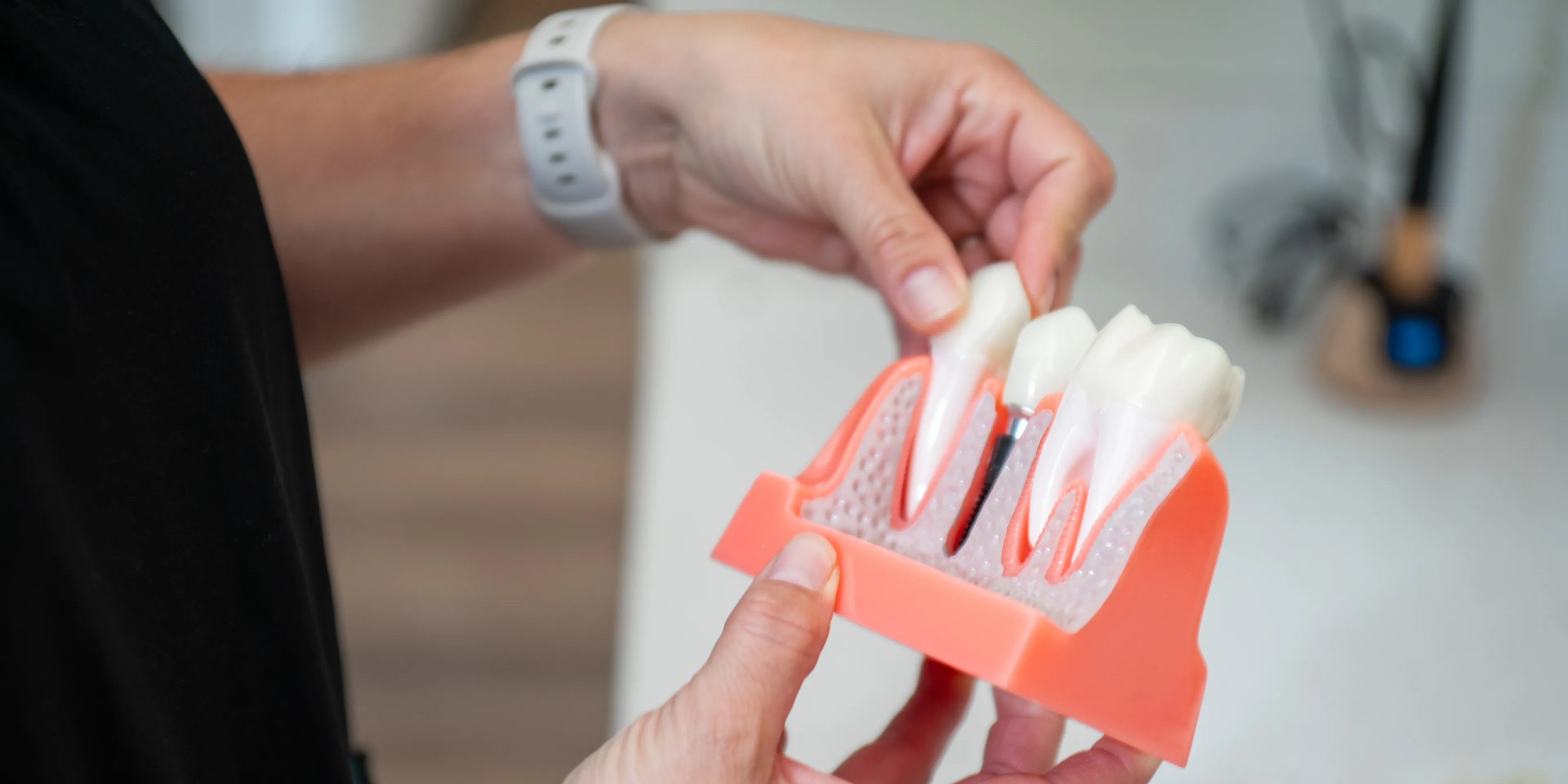
A dental implant replaces the root of a missing tooth. A titanium post is placed into the jawbone, where it heals and becomes a stable anchor for a crown, bridge, or denture.
Because implants are supported by bone, they don’t rely on neighboring teeth and don’t shift or move during daily use. They’re designed to handle normal chewing forces and function as part of your mouth.
Why Many Patients Choose Implants
Patients often choose dental implants because they want something that stays in place. Implants don’t shift when you eat or talk, and they don’t require adhesives or removal.
They also help maintain jawbone structure, which can change after tooth loss. For many patients, implants provide a more predictable, long-term solution than removable options.
Longevity and Maintenance
Dental implants are designed to last many years. The implant itself integrates with the jawbone and does not decay.
The crown attached to the implant may eventually need replacement due to normal wear, but the foundation is intended to remain stable with good oral hygiene and regular dental visits.
Who Is a Candidate for Dental Implants?
Many adults with missing teeth are candidates for implants, but bone health, gum condition, and overall medical history matter. Some patients may need additional steps, such as bone grafting, before implants can be placed.
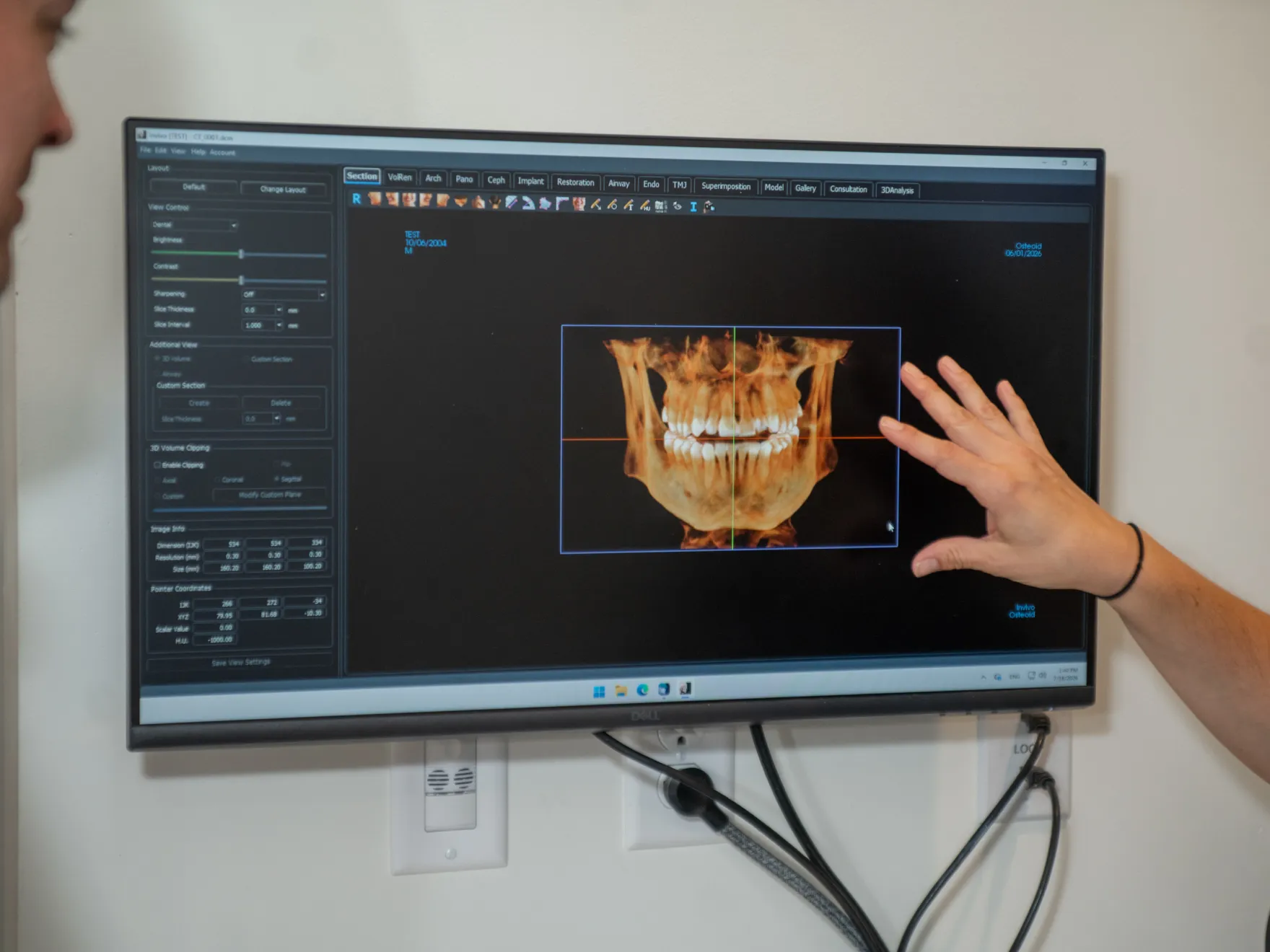
We evaluate these factors using 3D imaging and review everything with you before recommending treatment.

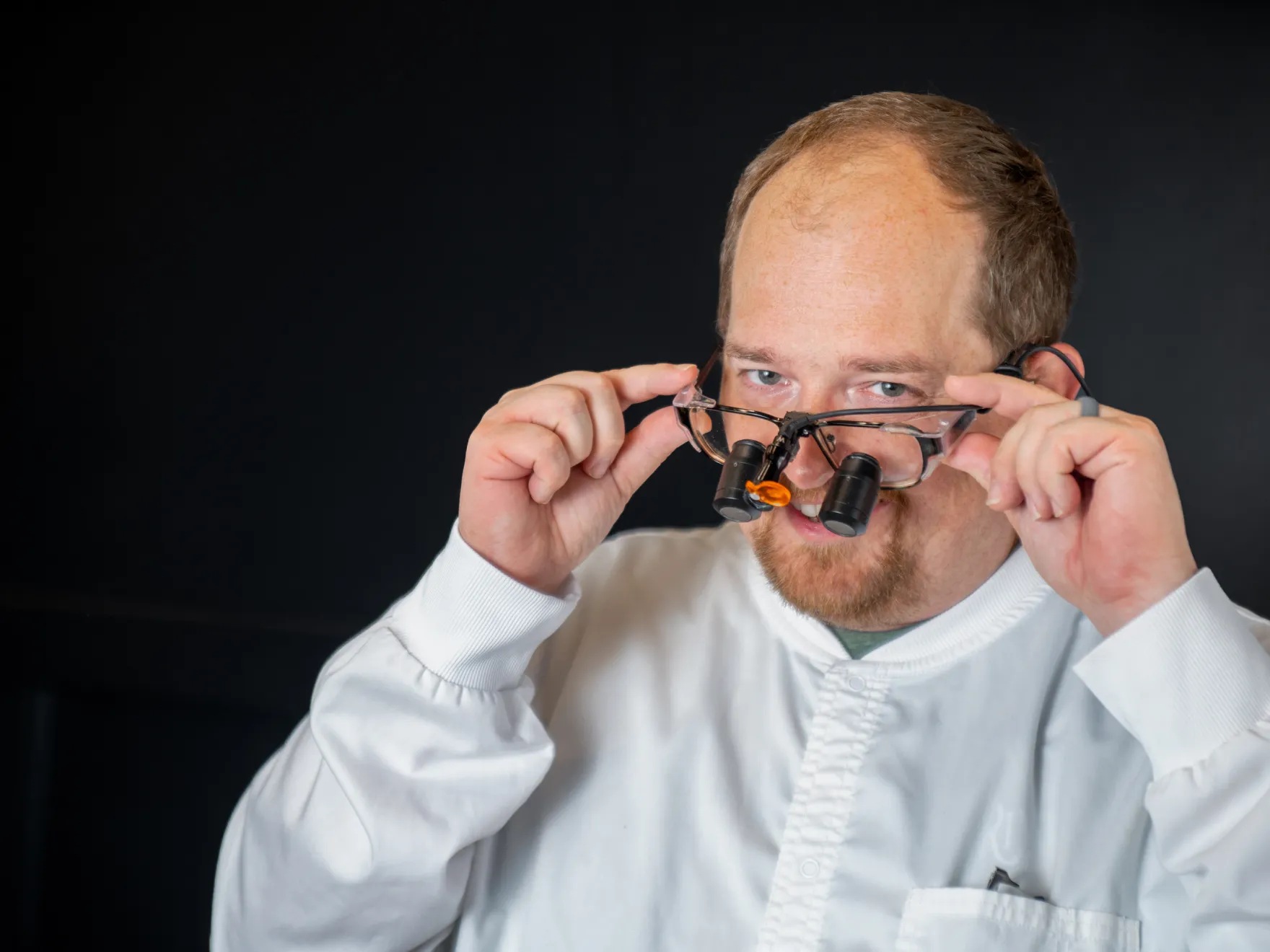
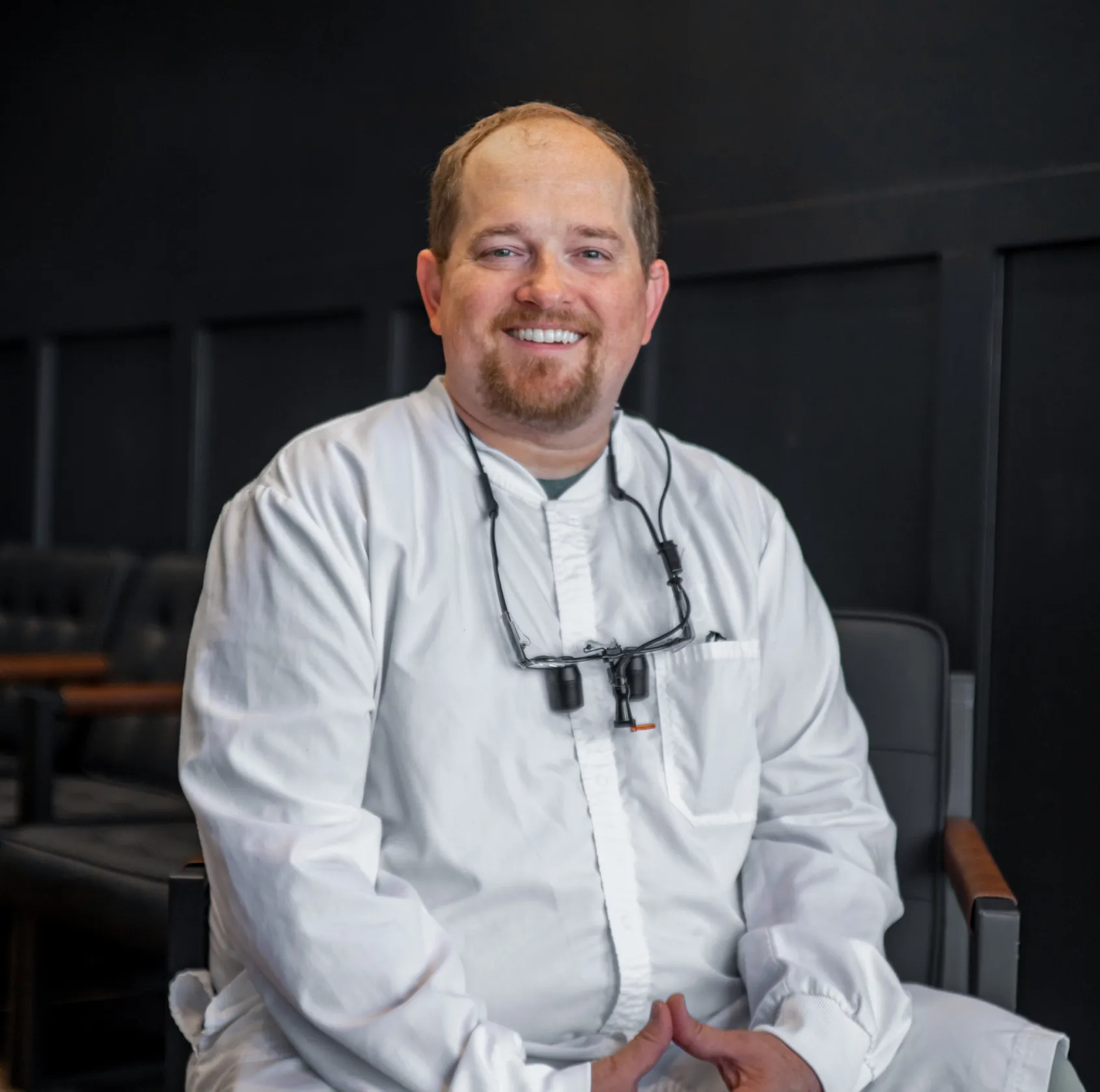
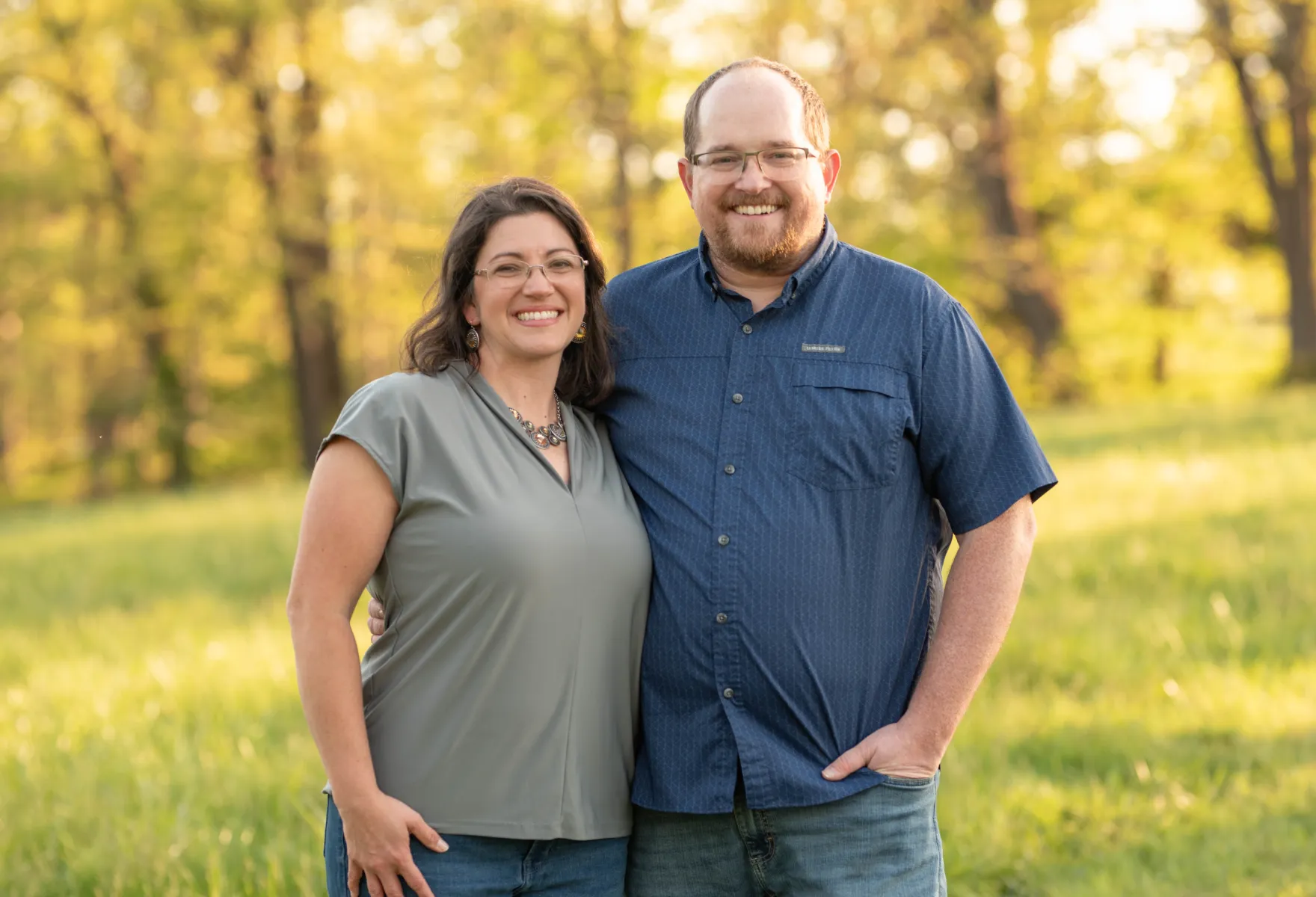
Dr. Justin Anderson
Hi, I’m Dr. Justin Anderson. I’m a dentist, patient educator, and advocate for your oral health. Working together, we’ll keep you smiling for years to come.
I Took the Scenic Route to Dentistry
I didn’t grow up saying, “I’m going to be a dentist.” I was always an artist and a hands-on builder. In college, I started in animation, moved into engineering, and eventually landed in product design. A few months after graduating, I discovered dentistry—and it immediately clicked. It’s the perfect mix of art, engineering, and science, and I love using that blend to improve someone’s life.
Experience You Can Feel Comfortable With
I’ve been in the dental field since 2009, starting as a dental assistant. I earned my dental degree from the University of Iowa College of Dentistry in 2015, and I’ve been practicing as a dentist for the past ten years.
Associations



Fun Facts

More About Dr. Anderson
What I Love to Do in the Chair
I’m a general dentist, which means I get to help with a wide range of needs—restorative dentistry, crowns and bridges, extractions, implant placement, dentures, and clear aligner therapy.
If I had to pick favorites, I really enjoy dentures (full and partial) and implant dentistry. Helping someone chew comfortably again—and smile with confidence—never gets old.
Educate, Collaborate, Respect
I believe dentists should be educators. Dental care works best when it’s a partnership, and decisions should be made together—between you and me. I want you to feel cared for, appreciated, and supported, not rushed or talked into anything.
Conservative Care That Honors Your Natural Teeth
My philosophy is that dentistry should mimic nature, because nothing is better than your natural tooth. When treatment is needed to restore health, form, or function, I aim for the best result in the most conservative way possible.
The “This Feels Like Me Again” Moments
One of the best parts of my job is restoring teeth and seeing that immediate change. There’s something special about the moment a patient looks in the mirror and sees their smile—or their tooth—back where it should be.
Service Matters to Me
Giving back is important to me. I’ve completed a dental mission trip to Guatemala, participated in a Mission of Mercy, and supported community dental screenings.
I was also honored in dental school with several academic scholarships, induction into Omicron Kappa Upsilon (the national dental honor society), and the Kramer Award for scholarship, character, and service-minded potential.
Let’s Make Dental Care Feel Easier
Dentistry is evolving quickly—with modern diagnostics, CAD/CAM technology, and now AI helping us plan and deliver care with more precision than ever. I’m excited about what that means for you: clearer answers, better options, and a smoother experience.
If you’re looking for a dentist who listens, explains your options, and treats you like a partner in your care, I’d love to meet you.
What the Implant Process Looks Like
Planning and Imaging
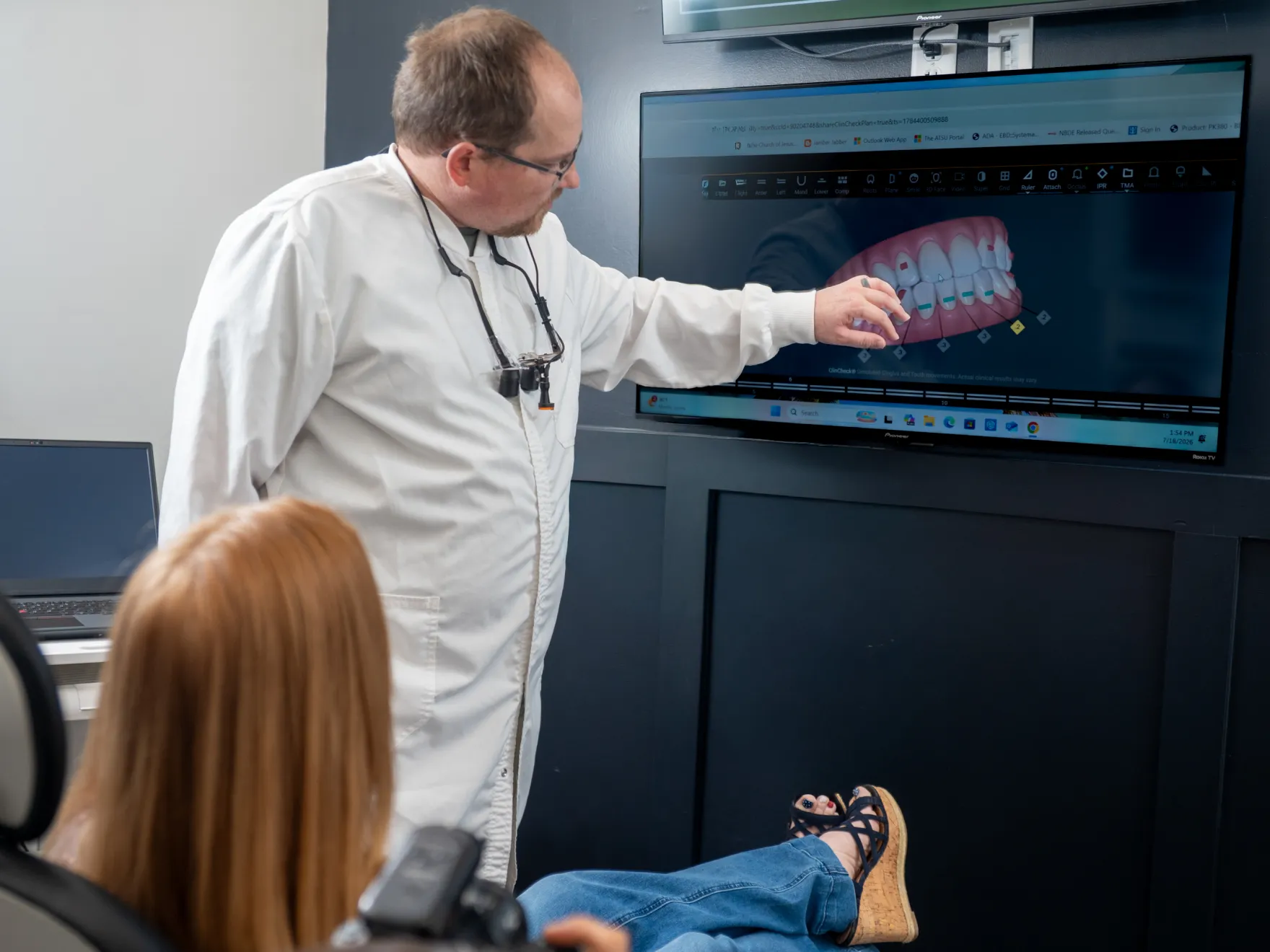
We begin with detailed planning using CBCT 3D imaging to get a complete view of your jaw and surrounding structures.
This allows us to:
- Evaluate bone height, width, and density
- Identify nerves and sinus locations for safety
- Choose the best implant size and position
- Reduce surprises during placement
Careful planning helps improve long-term success and lowers the risk of complications.
Implant Placement
The implant is placed during a scheduled appointment using local anesthesia to keep you comfortable. Laughing gas is available if you prefer additional relaxation.
During this visit:
- The area is fully numbed before we begin
- The titanium implant is placed precisely into the jawbone
- The procedure is typically shorter and easier than expected
- Most patients return to normal routines within a day or two
We’ll provide clear aftercare instructions to support smooth healing.
Healing and Bone Integration
After placement, the implant needs time to bond with the jawbone in a process called osseointegration. This step is essential for long-term stability.
During healing:
- The bone gradually fuses to the implant
- Healing typically takes several months
- Temporary restorations may be used when appropriate
- Follow-up visits allow us to monitor progress
This step creates the strong foundation that makes implants feel secure.
Final Restoration
Once healing is complete, we place the final crown, bridge, or denture on the implant.
At this stage:
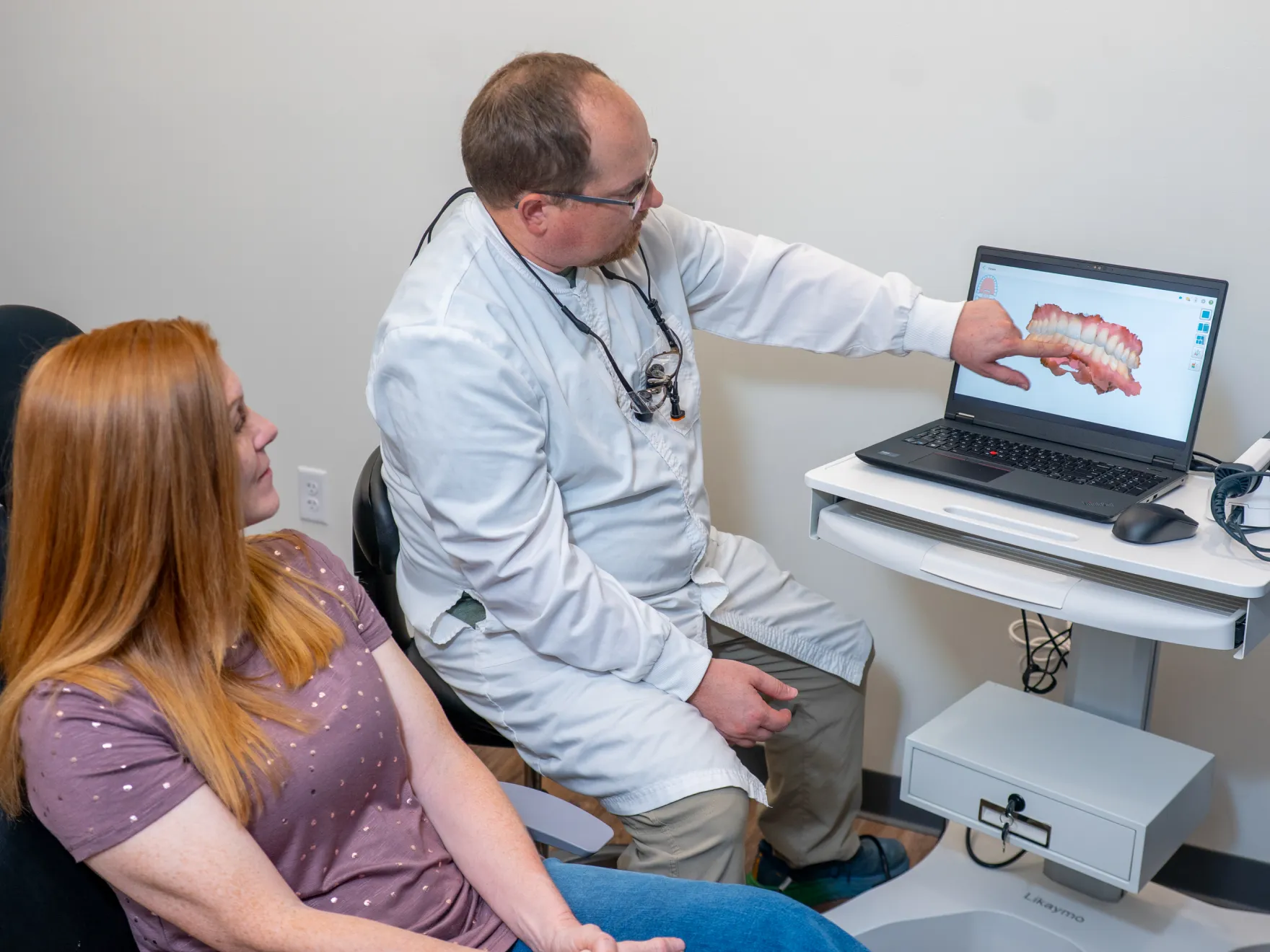
- Digital impressions are used for accurate fit
- The restoration is adjusted for comfort and bite
- The final result is designed to look natural and function normally
You’ll leave with a tooth replacement that feels stable and easy to use in daily life.
Feel Right at Home with Us

You’ll Feel Welcome
From cozy blankets and pillows to streaming your favorite shows, our goal is to help you relax and actually enjoy your time in the chair.
Modern Tools, Better Visits
With CBCT imaging, and intraoral cameras, you’ll spend less time in the office and get a clearer picture of your oral health.

Honest Guidance, Fair Value
We explain every option, respect your budget, and recommend only what you truly need so you can feel confident in your treatment decisions.
Care for Every Smile
From routine checkups to implants, dentures, crowns, and cosmetic options, you can get most of your care in one welcoming, judgment-free office.

Frequently Asked Questions
Will insurance help cover dental implants?
Coverage varies by plan. Our team will review your benefits and explain what may apply, and we also offer financing options to help make treatment manageable.
How do I care for dental implants?
Implants are cared for like natural teeth with brushing, flossing, and regular checkups. Keeping gums healthy is key to long-term success.
Can implants be used to secure dentures?
Yes. Implant-supported dentures use implants to anchor dentures more securely, making them easier to wear and more comfortable when eating and speaking.
What if I’ve had bone loss?
Bone loss doesn’t automatically rule out implants. In some cases, bone grafting or alternative implant approaches can help create a stable foundation.
Am I a good candidate for dental implants?
Many adults with missing teeth are candidates, but bone health, gum condition, and medical history matter. A consultation with 3D imaging helps determine whether implants are right for you.
How long do dental implants last?
With good oral hygiene and regular dental visits, implants are designed to last many years. The implant itself is meant to be long-term, while the crown may need replacement after normal wear.
How long does the dental implant process take?
The full process typically takes several months to allow the implant to heal and bond with the bone. The exact timeline depends on your healing and whether additional steps, like bone grafting, are needed.
Does getting a dental implant hurt?
The procedure is done with local anesthesia to keep you comfortable. Most patients report mild soreness afterward that’s manageable with over-the-counter medication.
How do dental implants differ from dentures or bridges?
Implants are fixed in place and supported by bone, while dentures are removable and bridges rely on neighboring teeth. Many patients choose implants because they don’t shift and don’t require altering nearby teeth.
Located in Nixa, MO
You’ll find Two Rivers Dental at 703 North McCroskey Street, Suite 3, Nixa, MO 65714, conveniently located next to McAlister’s Deli. We proudly serve families from Nixa, Clever, Ozark, Highlandville, and the greater Springfield area.
We are located next to McAlister's Deli