
Frequently Asked Questions
Dental Checkups
Do you offer options for dental anxiety?
Yes. We offer laughing gas, and we always take time to explain, check in, and adjust as needed so you feel in control.
What technology do you use?
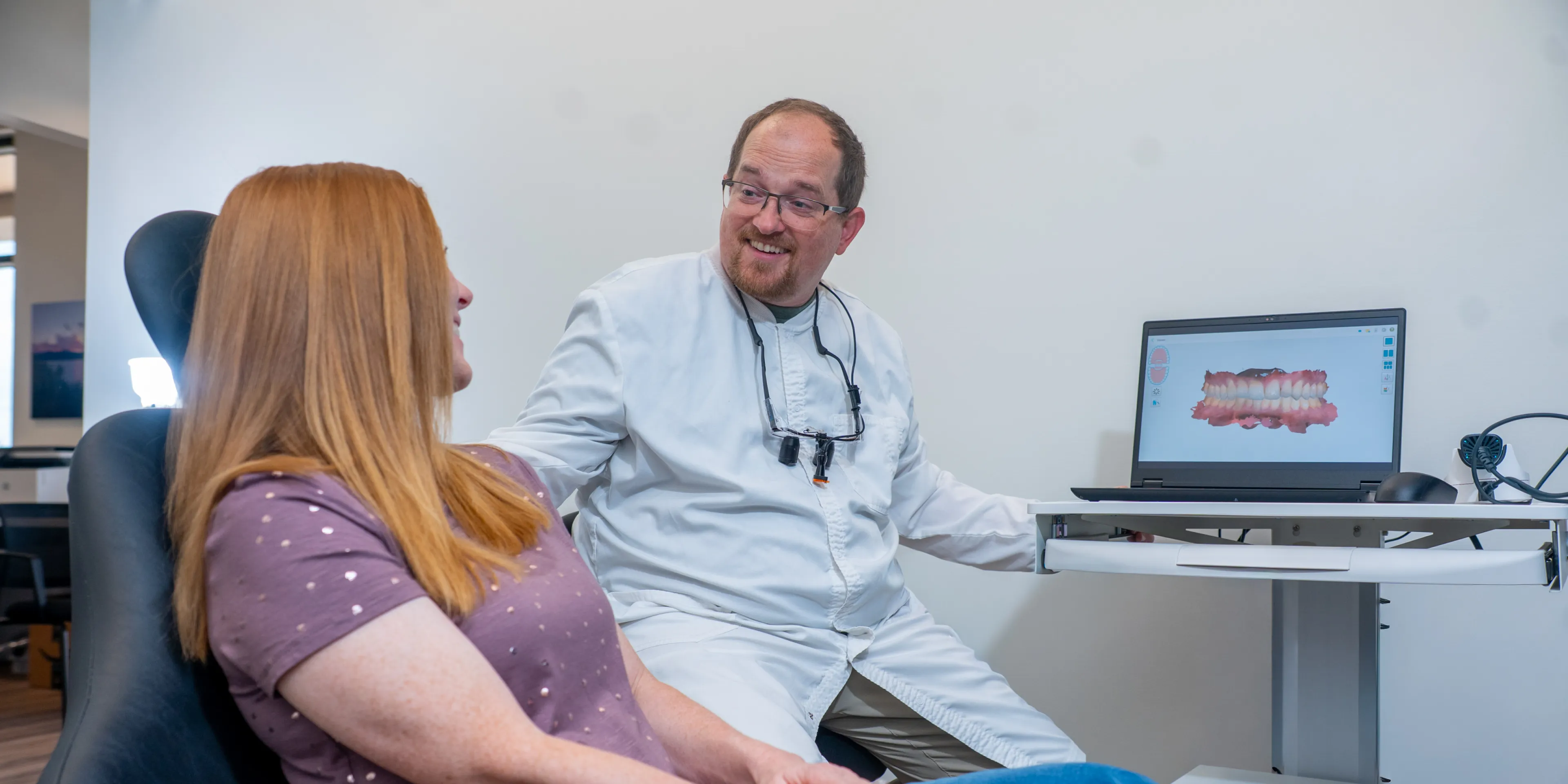
We use modern tools like digital X-rays, intraoral cameras, CBCT imaging, and same-day crown technology to make care more precise and efficient.
Is Two Rivers Dental good for families?
Yes. We care for school-age children, teens, and adults, making it easier for families to receive care in one place.
What if I haven’t been to the dentist in years?
You’re not alone. We see many patients returning after a long break. There’s no judgment here—just supportive care at your pace, with clear options and realistic planning.
Are checkups covered by insurance?
Most dental insurance plans cover preventive care, including exams and cleanings, at little to no cost. Our team can help review your benefits before your visit.
Do you offer emergency appointments?
Yes. We provide same-day emergency care whenever possible for urgent dental concerns.
Do I need X-rays at every visit?
Not always. Full X-rays are typically recommended every 12 to 18 months, with targeted images taken only when needed to monitor specific concerns.
What insurance do you accept?
We are credentialing with major carriers including Delta Dental, Cigna, and MetLife. We also welcome patients without insurance and offer flexible payment options, including CareCredit.
How long does a dental checkup take?
Most checkups take about 60 minutes. This allows time for cleaning, exams, X-rays if needed, and a conversation about your oral health—without rushing.
Crowns
What if I’m nervous about dental treatment?
You’re not alone. We explain each step, move at your pace, and offer options like laughing gas to help you feel relaxed and in control during your visit.
Are crowns covered by dental insurance?
Many dental insurance plans help cover crowns when they’re needed for health and function. Our team will review your benefits and provide a clear cost estimate before treatment begins.
Are there alternatives to dental crowns?
Sometimes, yes. Depending on the condition of the tooth, options like fillings or onlays may be appropriate. Dr. Anderson will walk you through all suitable choices so you can decide what feels right for you.
Can I eat normally with a crown?
Once your crown is placed, you can chew and eat normally. We recommend avoiding chewing ice or very hard objects to protect both the crown and your natural teeth.
Will my crown look natural?
Yes. Crowns are custom-made to match the color, shape, and size of your natural teeth. Most people won’t be able to tell which tooth has a crown.
How long do dental crowns last?
With good brushing, flossing, and regular checkups, crowns can last many years. Protecting your teeth from grinding and avoiding very hard foods also helps extend their lifespan.
Does getting a dental crown hurt?
No. The area is fully numbed so you stay comfortable during the procedure, and most patients say it’s easier than they expected.
How do I know if I need a dental crown?
A crown may be recommended if a tooth is cracked, weakened by decay, has a large filling, or needs protection after a root canal. Dr. Anderson will explain what he sees and review your options before recommending any treatment.
Invisalign
What happens after I finish Invisalign treatment?
After treatment, you’ll wear a retainer to help keep your teeth in their new positions. Dr. Anderson will explain how often to wear it and how to care for it to maintain your results.
Is Invisalign covered by dental insurance?
Some dental insurance plans offer orthodontic benefits that can be applied to Invisalign. Our team will review your coverage and explain any expected costs before treatment begins.
Does Invisalign affect speech?
Some patients notice a slight change in speech at first, which typically resolves within a few days as you adjust to wearing aligners.
Is Invisalign noticeable when I’m wearing it?
The aligners are clear and fit closely to your teeth, making them difficult to notice in everyday conversations. Most people won’t realize you’re wearing them unless you point it out.
How often will I need to come in for appointments?
Most patients visit every six to eight weeks for quick progress checks and to receive new aligners. These visits are usually brief and easy to schedule.
Can I eat whatever I want with Invisalign?
Yes. Since aligners are removable, there are no food restrictions. You simply take them out before eating and put them back in afterward.
How often do I need to wear my aligners?
Aligners should be worn 20 to 22 hours per day. They are removed only for eating, drinking anything besides water, brushing, and flossing.
Will Invisalign hurt?
You may feel mild pressure when starting a new set of aligners, which means they’re working. Most patients find this sensation manageable and short-lived.
How long does Invisalign treatment usually take?
Treatment time varies based on how much movement is needed and how consistently aligners are worn. Many patients finish in about 12 to 18 months, though some cases take less or more time.
How do I know if Invisalign is right for me?
Invisalign works well for many teens and adults with mild to moderate alignment concerns. Dr. Anderson will evaluate your bite and tooth movement needs and explain whether Invisalign is a good option for you.
Dental Implants
Will insurance help cover dental implants?
Coverage varies by plan. Our team will review your benefits and explain what may apply, and we also offer financing options to help make treatment manageable.
How do I care for dental implants?
Implants are cared for like natural teeth with brushing, flossing, and regular checkups. Keeping gums healthy is key to long-term success.
Can implants be used to secure dentures?
Yes. Implant-supported dentures use implants to anchor dentures more securely, making them easier to wear and more comfortable when eating and speaking.
What if I’ve had bone loss?
Bone loss doesn’t automatically rule out implants. In some cases, bone grafting or alternative implant approaches can help create a stable foundation.
Am I a good candidate for dental implants?
Many adults with missing teeth are candidates, but bone health, gum condition, and medical history matter. A consultation with 3D imaging helps determine whether implants are right for you.
How long do dental implants last?
With good oral hygiene and regular dental visits, implants are designed to last many years. The implant itself is meant to be long-term, while the crown may need replacement after normal wear.
How long does the dental implant process take?
The full process typically takes several months to allow the implant to heal and bond with the bone. The exact timeline depends on your healing and whether additional steps, like bone grafting, are needed.
Does getting a dental implant hurt?
The procedure is done with local anesthesia to keep you comfortable. Most patients report mild soreness afterward that’s manageable with over-the-counter medication.
How do dental implants differ from dentures or bridges?
Implants are fixed in place and supported by bone, while dentures are removable and bridges rely on neighboring teeth. Many patients choose implants because they don’t shift and don’t require altering nearby teeth.
Dentures
Will insurance help cover dentures?
Many dental insurance plans offer some coverage for dentures, though benefits vary. Our team will review your plan and explain expected costs before treatment begins.
Can dentures be secured so they don’t move?
Yes. Implant-supported dentures use dental implants to anchor dentures more securely. This reduces movement and makes them easier to wear and use.
How do I clean and care for my dentures?
Dentures should be cleaned daily with a soft brush and non-abrasive cleaner. They should be soaked overnight and handled carefully to avoid damage.
What if my dentures feel loose?
Loose dentures are common over time as the mouth changes. Adjustments, relining, or stabilization options can improve fit and comfort—often with simple solutions.
Do dentures need to be removed at night?
In most cases, yes. Removing dentures at night allows your gums to rest and makes cleaning easier. We’ll give you specific guidance based on your denture type.
Can I eat normally with dentures?
Yes, though it takes some practice. Most patients start with softer foods and gradually return to a wider range of foods as they adjust. Implant-supported dentures provide the most stability for eating.
How long do dentures last?
Most dentures last about five to ten years with proper care. Over time, changes in your gums and jaw may require relining, adjustments, or replacement.
Are dentures comfortable to wear?
Dentures should feel comfortable once properly fitted and adjusted. There is an adjustment period, and small refinements are common early on to improve fit and reduce sore spots.
Will my dentures look natural?
Yes. Dentures are custom-designed to match your facial structure, tooth shape, and smile. The goal is a natural appearance that doesn’t draw attention or feel out of place.
How long does it take to get dentures?
The denture process usually takes several weeks from start to finish. This allows time for exams, impressions, try-ins, and adjustments so your dentures fit comfortably and function well.
Veneers
How do I know if veneers are right for me?
The best way to know is through a consultation. We’ll evaluate your teeth, talk through your goals, and explain whether veneers—or another option—makes the most sense for you.
How do I take care of veneers?
Care is similar to natural teeth: brush twice daily, floss regularly, and keep up with dental checkups. Avoid biting hard objects, and wear a night guard if you grind your teeth.
Can veneers stain over time?
Porcelain and glass-ceramic veneers are highly resistant to staining. Composite veneers are more prone to discoloration but can sometimes be polished to refresh their appearance.
How many teeth usually get veneers?
That depends on what you want to change. Some patients treat just one or two teeth, while others choose veneers for the teeth most visible when they smile.
Can veneers fix crooked teeth?
Veneers can improve the appearance of minor alignment issues, but they don’t move teeth. If alignment affects your bite or oral health, orthodontic options may be a better choice.
Are veneers painful to get?
Most patients are comfortable throughout the process. Local anesthesia is used during preparation, and any temporary sensitivity afterward is usually mild and short-lived.
How long do veneers last?
With good home care and regular dental visits, porcelain or EMAX veneers often last 10 to 15 years or longer. Composite veneers typically last fewer years and may need maintenance or replacement sooner.
Do veneers damage your teeth?
Veneers require removing a small amount of enamel, which makes the process irreversible. That’s why we only recommend veneers when they make sense for healthy teeth and long-term results.
Will veneers look natural?
Yes, when they’re planned properly. Veneers are designed to match your facial features, tooth shape, and natural enamel so the result looks balanced, not artificial.
What are dental veneers?
Veneers are thin, custom-made coverings that bond to the front of your teeth. They’re used to improve color, shape, size, or spacing in a controlled and conservative way.
Teeth Whitening
Is professional teeth whitening safe for my teeth?
Yes. Professional whitening is safe when supervised by a dental team. We use Opalescence whitening, which is designed to brighten teeth while protecting enamel and gums.
Is professional whitening better than store-bought products?
Yes. Professional whitening works faster, produces more even results, and is monitored for safety and comfort. Over-the-counter products often deliver weaker, inconsistent results.
What should I avoid after whitening?
For the first 24 to 48 hours, avoid dark foods and drinks like coffee, red wine, and berries. Tobacco use should also be avoided to help protect your results.
Am I a good candidate for teeth whitening?
Most adults with healthy teeth and gums are good candidates. If you have untreated cavities, gum disease, or heavy sensitivity, we may recommend addressing those first.
Does whitening work on crowns, veneers, or fillings?
No. Whitening only affects natural tooth enamel. Existing dental work will stay the same color, which is something we review with you beforehand.
Can teeth whitening damage my enamel?
No. When done professionally, whitening does not damage enamel. Our system is formulated to lift stains safely without weakening tooth structure.
How long does a whitening appointment take?
A professional whitening appointment usually takes about one to two hours. This includes preparation, whitening application, and reviewing results.
How much whiter will my teeth get?
Most patients see their teeth brighten several shades after one visit. Results vary based on your starting tooth color and the type of staining present.
Will teeth whitening cause sensitivity?
Some patients experience mild, temporary sensitivity, which usually fades within a few days. We take steps to reduce sensitivity and can adjust treatment if you have a history of sensitive teeth.
How long do teeth whitening results last?
Results typically last one to three years, depending on diet, habits, and oral hygiene. Avoiding tobacco and limiting staining foods can help maintain your results longer.
Emergency Care
What should I do if I knock out a tooth?
Handle the tooth by the crown, not the root, and gently rinse it if dirty. If possible, place it back in the socket or keep it moist in milk and call us immediately.
What if my emergency happens outside office hours?
If you have an urgent dental issue, contact our office for guidance. For severe swelling, uncontrolled bleeding, or trauma affecting breathing, go to the nearest emergency room.
How much does an emergency dental visit cost?
Costs vary depending on the issue and treatment needed. We offer a special emergency exam rate and will explain options and costs clearly before treatment begins.
What if I haven’t been to the dentist in a long time?
That’s okay. We treat emergencies without judgment and focus on helping you feel better first. We’ll talk through options once the immediate issue is under control.
Can you treat dental emergencies for kids?
Yes. We provide emergency care for school-age children and teens and take a calm, gentle approach to help younger patients feel at ease.
How long does an emergency appointment take?
Most emergency visits last about 45 to 90 minutes, depending on the issue. We focus on addressing the immediate problem without rushing your care.
Does an emergency dental visit hurt?
Emergency treatment is focused on comfort and relief. We use local anesthesia and offer laughing gas to help keep you comfortable during your visit.
Will you treat the problem the same day?
In many cases, yes. Our goal is to relieve pain and stabilize the issue during your emergency visit whenever possible, then discuss next steps if follow-up care is needed.
Do you offer same-day emergency appointments?
Yes. We offer same-day emergency appointments whenever possible. Calling as soon as the issue starts helps us get you seen quickly.
What counts as a dental emergency?
A dental emergency includes severe tooth pain, swelling, infection, a broken or knocked-out tooth, uncontrolled bleeding, or injury to the mouth or jaw. If something feels urgent or painful, it’s always okay to call and ask.
Looking for a Better Dental Experience?
Call (417) 487-4318 or schedule online to set up your visit. We'll be in touch soon.