
New Patient Special
Get Your Smile Back with Comfortable Modern Dentures

Full Dentures
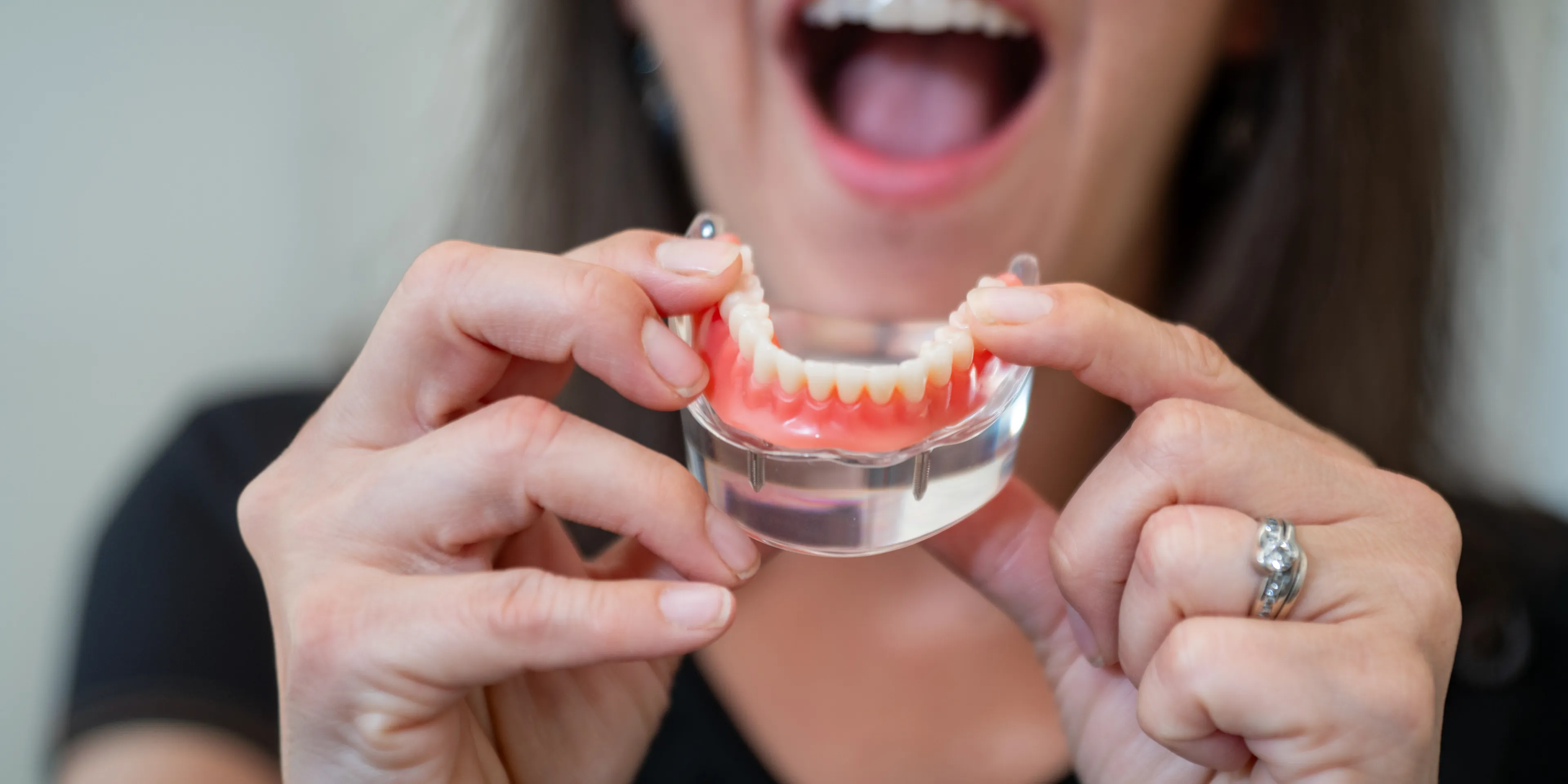
Full dentures replace all teeth in the upper or lower jaw. They are shaped to support your bite and facial structure and are designed to help with basic functions like chewing and speaking.
Partial Dentures
Partial dentures replace several missing teeth while working around healthy natural teeth. They help maintain spacing and balance while restoring function where teeth are missing.
Implant-Supported Dentures
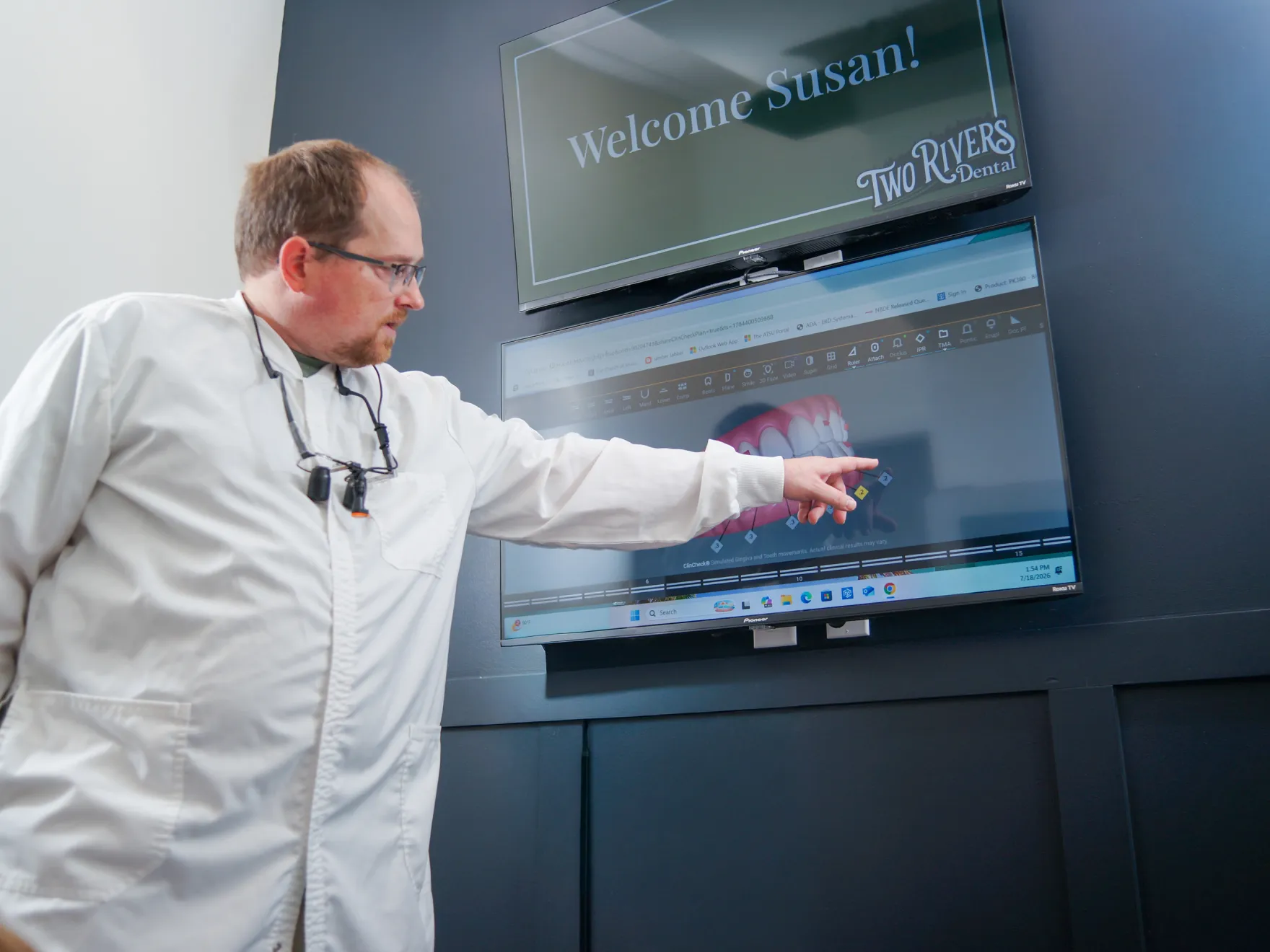
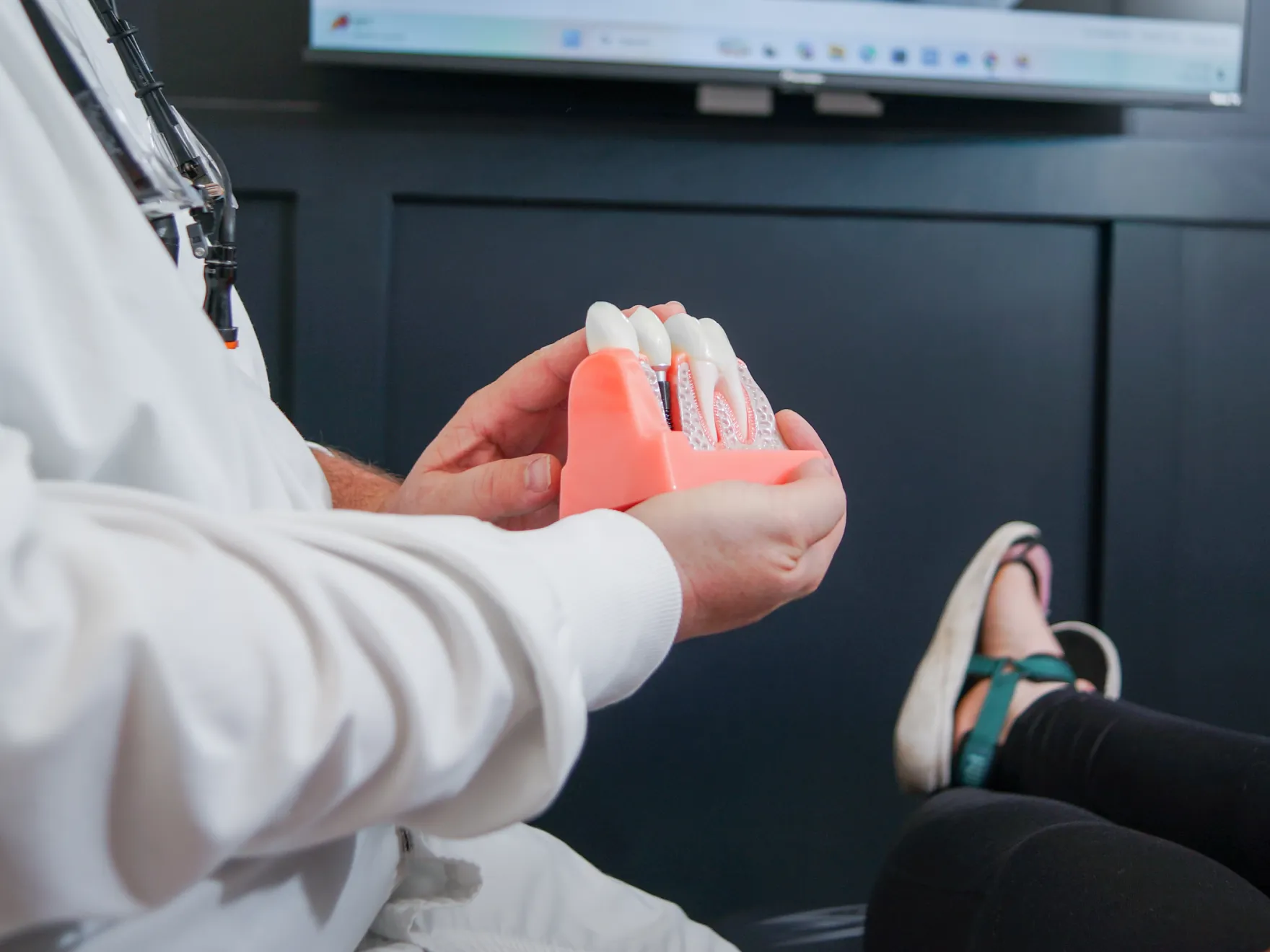
Implant-supported dentures attach to dental implants for added stability. This option reduces movement and can make dentures feel more secure during eating and conversation.

We Take Your Insurance


What Dentures Can Help With
Well-fitting dentures can improve how your mouth works day to day.
They help you chew more comfortably, which supports better nutrition. They provide structure for speech and help maintain facial shape after tooth loss. When dentures are designed correctly, they can reduce irritation and improve overall comfort.
Adjustments and Follow-Up
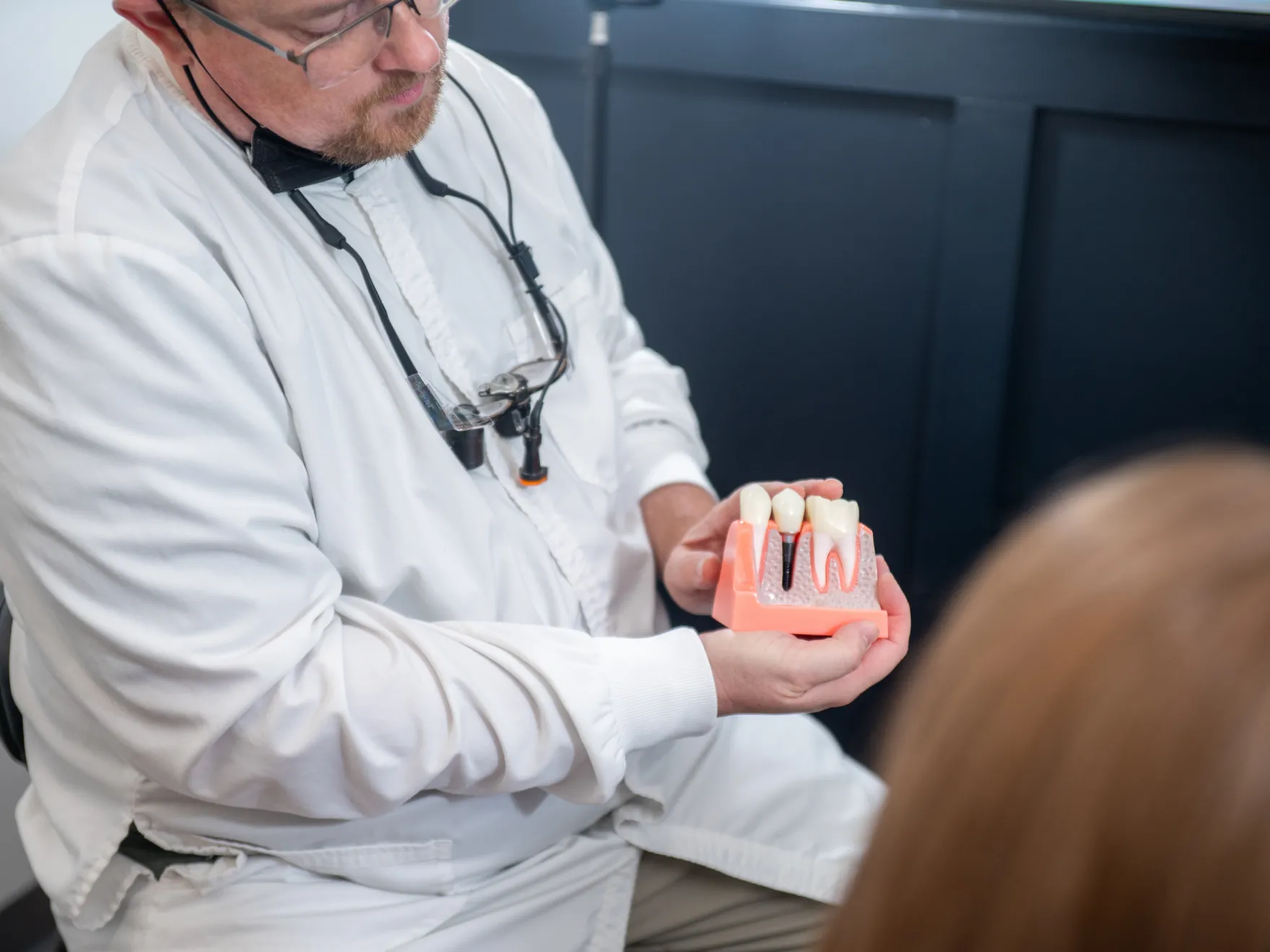
It’s normal for dentures to need adjustments, especially early on. Your mouth changes slightly as it adapts, and small refinements can make a big difference.
We schedule follow-ups and encourage you to reach out if something feels off. Addressing issues early helps prevent discomfort and frustration.
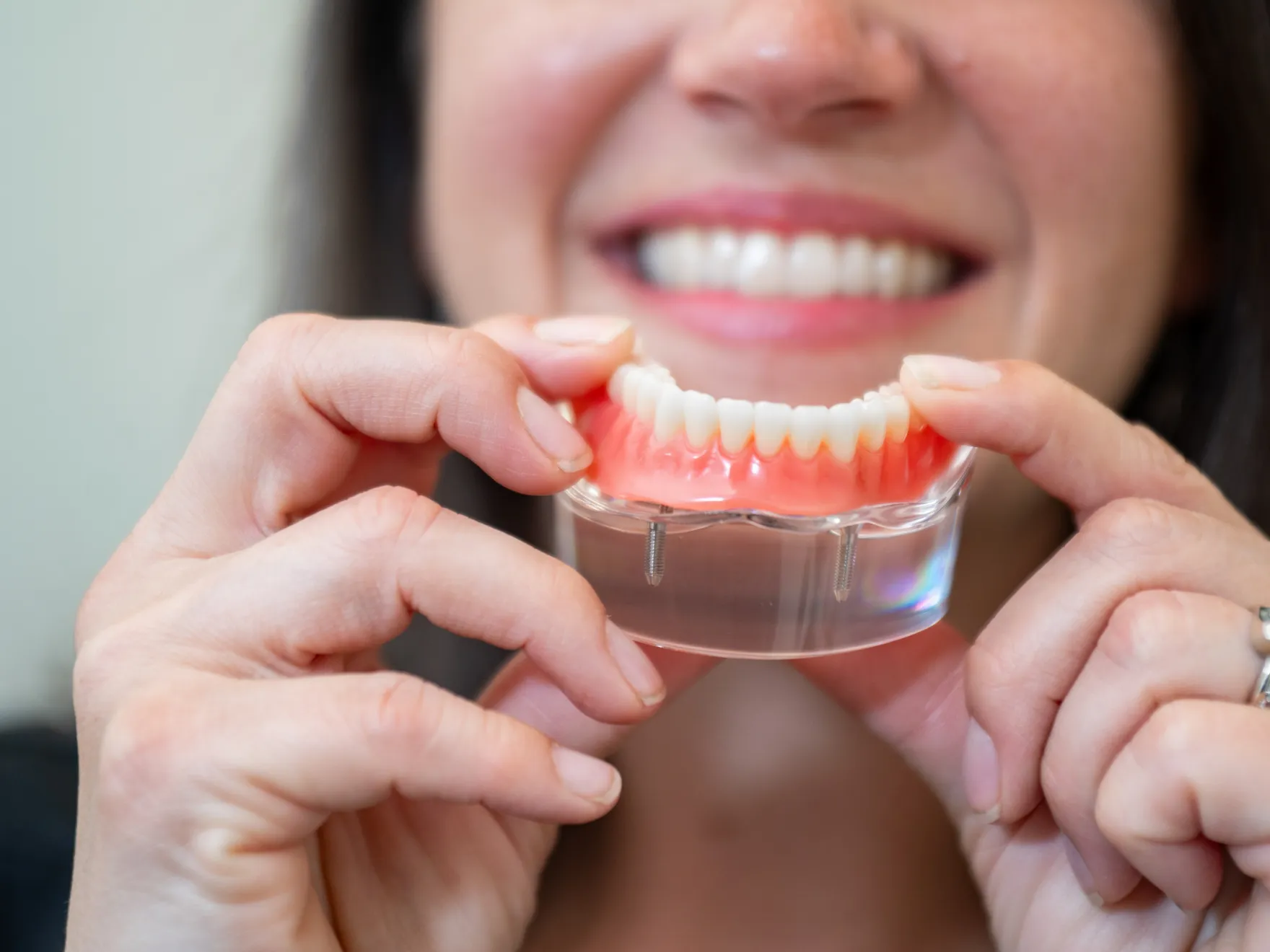
Caring for Your Dentures
Dentures require regular care to stay comfortable and functional.
Daily cleaning helps prevent buildup, and proper storage helps maintain shape. We’ll walk you through care steps so they’re straightforward and realistic to maintain.
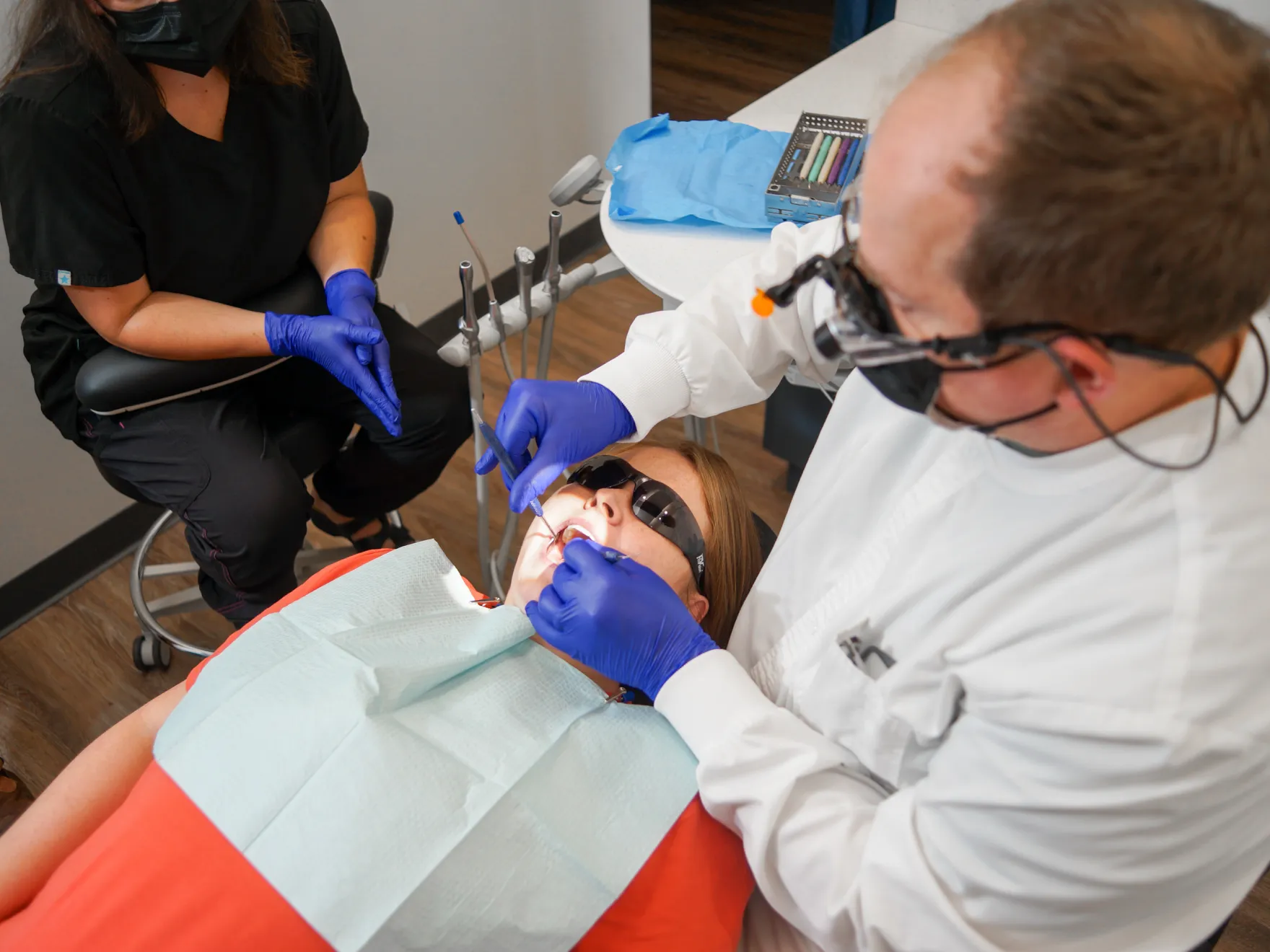
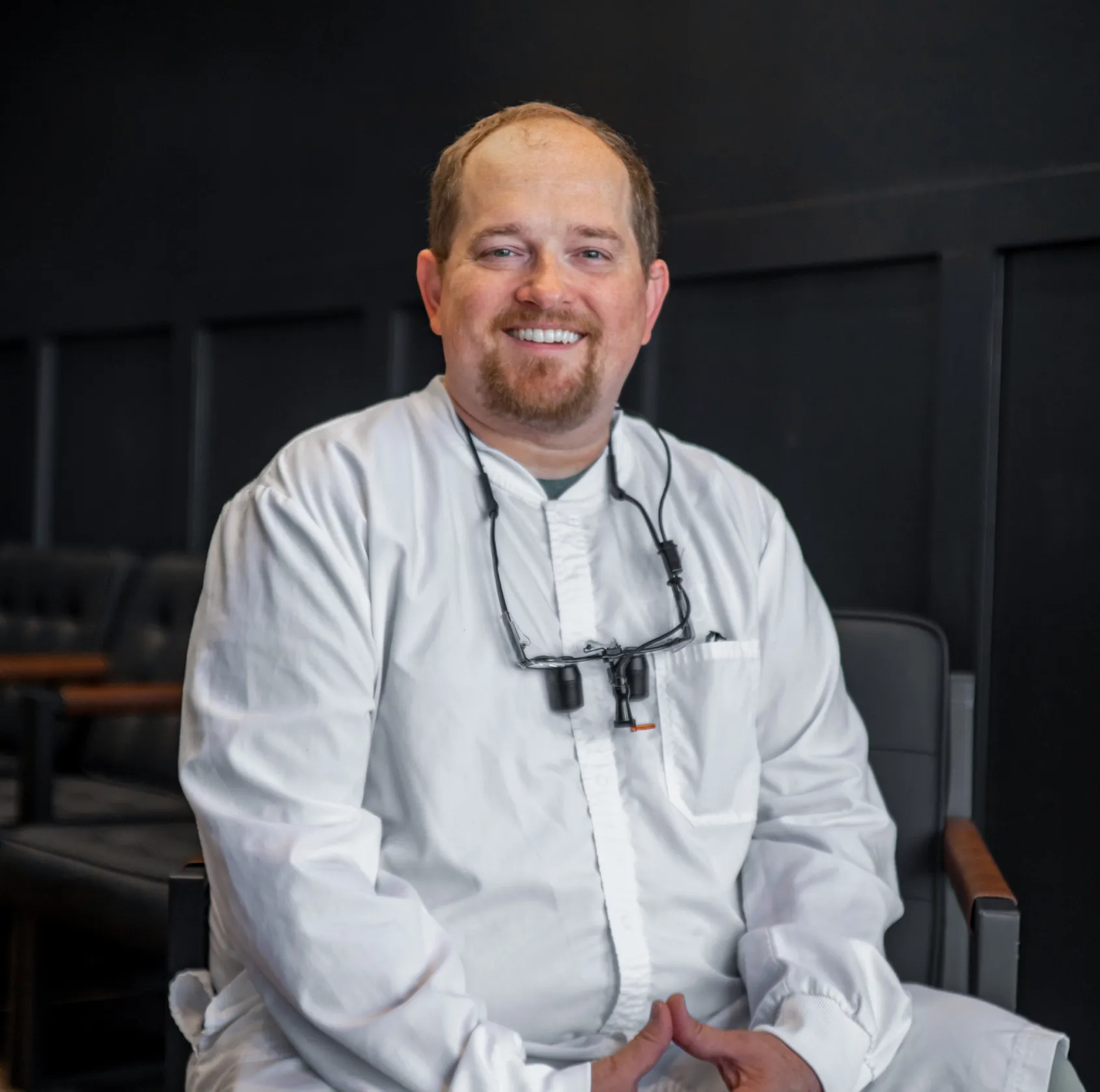
Dr. Justin Anderson
Hi, I’m Dr. Justin Anderson. I’m a dentist, patient educator, and advocate for your oral health. Working together, we’ll keep you smiling for years to come.
I Took the Scenic Route to Dentistry
I didn’t grow up saying, “I’m going to be a dentist.” I was always an artist and a hands-on builder. In college, I started in animation, moved into engineering, and eventually landed in product design. A few months after graduating, I discovered dentistry—and it immediately clicked. It’s the perfect mix of art, engineering, and science, and I love using that blend to improve someone’s life.
Experience You Can Feel Comfortable With
I’ve been in the dental field since 2009, starting as a dental assistant. I earned my dental degree from the University of Iowa College of Dentistry in 2015, and I’ve been practicing as a dentist for the past ten years.
Associations



Fun Facts


More About Dr. Anderson
What I Love to Do in the Chair
I’m a general dentist, which means I get to help with a wide range of needs—restorative dentistry, crowns and bridges, extractions, implant placement, dentures, and clear aligner therapy.
If I had to pick favorites, I really enjoy dentures (full and partial) and implant dentistry. Helping someone chew comfortably again—and smile with confidence—never gets old.
Educate, Collaborate, Respect
I believe dentists should be educators. Dental care works best when it’s a partnership, and decisions should be made together—between you and me. I want you to feel cared for, appreciated, and supported, not rushed or talked into anything.
Conservative Care That Honors Your Natural Teeth
My philosophy is that dentistry should mimic nature, because nothing is better than your natural tooth. When treatment is needed to restore health, form, or function, I aim for the best result in the most conservative way possible.
The “This Feels Like Me Again” Moments
One of the best parts of my job is restoring teeth and seeing that immediate change. There’s something special about the moment a patient looks in the mirror and sees their smile—or their tooth—back where it should be.
Service Matters to Me
Giving back is important to me. I’ve completed a dental mission trip to Guatemala, participated in a Mission of Mercy, and supported community dental screenings.
I was also honored in dental school with several academic scholarships, induction into Omicron Kappa Upsilon (the national dental honor society), and the Kramer Award for scholarship, character, and service-minded potential.
Let’s Make Dental Care Feel Easier
Dentistry is evolving quickly—with modern diagnostics, CAD/CAM technology, and now AI helping us plan and deliver care with more precision than ever. I’m excited about what that means for you: clearer answers, better options, and a smoother experience.
If you’re looking for a dentist who listens, explains your options, and treats you like a partner in your care, I’d love to meet you.
How the Denture Process Works
Initial Consultation and Evaluation
Your first visit is focused on understanding your needs and setting expectations.
During this visit, we will:
- Review your dental and medical history
- Talk through what you’re experiencing with missing teeth or current dentures
- Examine your gums, jaw, and remaining teeth
- Take imaging when needed to assess bone and fit
- Discuss denture options that match your goals and budget
You’ll have time to ask questions and understand what each option involves before moving forward.
Impressions and Denture Design
Once a denture plan is chosen, we begin the design process.
This step includes:
- Taking precise digital impressions of your mouth
- Measuring bite alignment and jaw position
- Selecting tooth size, shape, and shade
- Designing dentures that support speech, chewing, and facial structure
Accuracy here is key to long-term comfort and function.
Try-In Appointment
Before your final dentures are completed, you’ll have a try-in appointment.
At this visit, we:
- Place a preview version of your dentures
- Check fit, bite, and appearance
- Review comfort while speaking and closing your mouth
- Make adjustments based on your feedback
This step helps avoid surprises and ensures your final dentures feel right.
Final Denture Placement
Once adjustments are complete, your final dentures are ready.
During delivery, we:
- Place the finished dentures
- Make fine adjustments for comfort and balance
- Review how to insert and remove them properly
- Explain what to expect during the adjustment period
You’ll leave knowing what’s normal and when to call us if something feels off.
Feel Right at Home with Us

You’ll Feel Welcome
From cozy blankets and pillows to streaming your favorite shows, our goal is to help you relax and actually enjoy your time in the chair.
Modern Tools, Better Visits
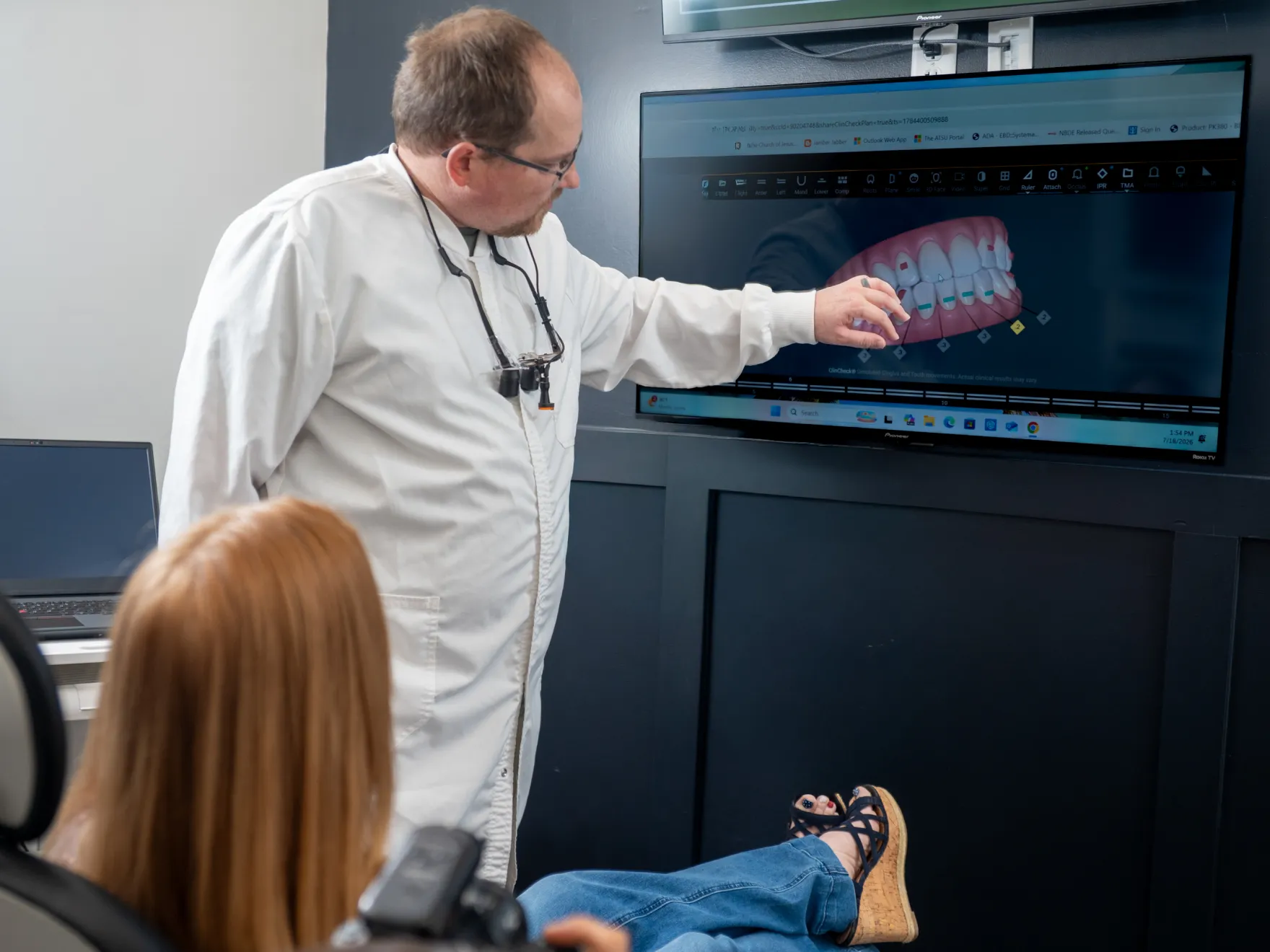
With CBCT imaging, and intraoral cameras, you’ll spend less time in the office and get a clearer picture of your oral health.

Honest Guidance, Fair Value
We explain every option, respect your budget, and recommend only what you truly need so you can feel confident in your treatment decisions.
Care for Every Smile
From routine checkups to implants, dentures, crowns, and cosmetic options, you can get most of your care in one welcoming, judgment-free office.

Frequently Asked Questions
Will insurance help cover dentures?
Many dental insurance plans offer some coverage for dentures, though benefits vary. Our team will review your plan and explain expected costs before treatment begins.
Can dentures be secured so they don’t move?
Yes. Implant-supported dentures use dental implants to anchor dentures more securely. This reduces movement and makes them easier to wear and use.
How do I clean and care for my dentures?
Dentures should be cleaned daily with a soft brush and non-abrasive cleaner. They should be soaked overnight and handled carefully to avoid damage.
What if my dentures feel loose?
Loose dentures are common over time as the mouth changes. Adjustments, relining, or stabilization options can improve fit and comfort—often with simple solutions.
Do dentures need to be removed at night?
In most cases, yes. Removing dentures at night allows your gums to rest and makes cleaning easier. We’ll give you specific guidance based on your denture type.
Can I eat normally with dentures?
Yes, though it takes some practice. Most patients start with softer foods and gradually return to a wider range of foods as they adjust. Implant-supported dentures provide the most stability for eating.
How long do dentures last?
Most dentures last about five to ten years with proper care. Over time, changes in your gums and jaw may require relining, adjustments, or replacement.
Are dentures comfortable to wear?
Dentures should feel comfortable once properly fitted and adjusted. There is an adjustment period, and small refinements are common early on to improve fit and reduce sore spots.
Will my dentures look natural?
Yes. Dentures are custom-designed to match your facial structure, tooth shape, and smile. The goal is a natural appearance that doesn’t draw attention or feel out of place.
How long does it take to get dentures?
The denture process usually takes several weeks from start to finish. This allows time for exams, impressions, try-ins, and adjustments so your dentures fit comfortably and function well.
Located in Nixa, MO
You’ll find Two Rivers Dental at 703 North McCroskey Street, Suite 3, Nixa, MO 65714, conveniently located next to McAlister’s Deli. We proudly serve families from Nixa, Clever, Ozark, Highlandville, and the greater Springfield area.
We are located next to McAlister's Deli